





Greaseproof, Waterproof, Food-Safe: How Packaging Gets These Properties?
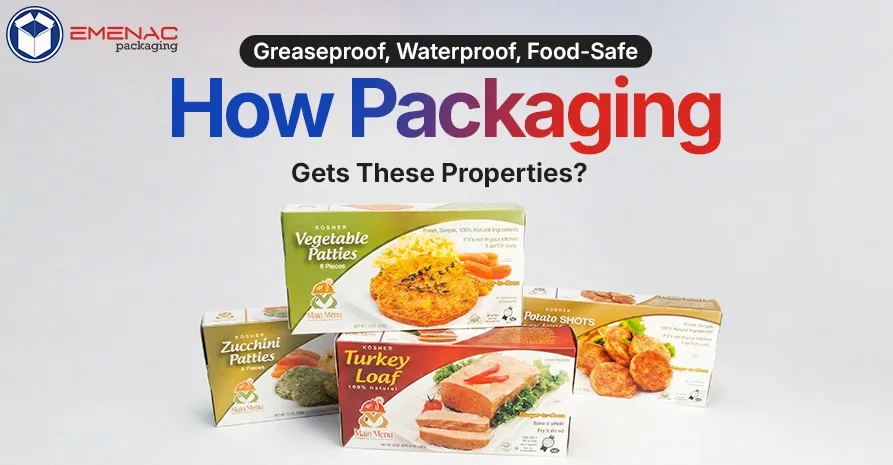
No one wants to serve food in wrapping papers that are soggy, oily, and greasy. On the other hand, customers will also not prefer this type of packaging. That’s why some packaging boxes come with greaseproof, waterproof, food-safe properties.
Multiple types of packaging possess these properties, and they are specifically designed for food items where food health and freshness are of the utmost importance. In this blog post, we are going to discuss how packaging gets all these properties.
What is Greaseproof, Waterproof, Food-Safe Packaging?
For this type of packaging, special paper is used that provides a barrier against grease and water while completely safe for food items. Other than food items, this packaging can be used for other products too.
As compared to regular paper, greaseproof paper undergoes a manufacturing process that mainly reduces its porosity. This special feature gives a smooth surface that perfectly resists oil and grease.
Why These Properties Matter?
To maintain a good food quality, it is a must to use greaseproof and waterproof packaging. Grease coming from food weakens paper fibers that cause leakage problems and affect food quality and taste. Moisture can shorten shelf life and increase the chances of bacterial growth inside the packaging.
Other than greaseproof and waterproof packaging, food safety is also a must. Packaging materials must not release harmful substances into food, react with ingredients, or compromise hygiene.
How Does Packaging Become Greaseproof?
Packaging becomes greaseproof when preventing oils from penetrating the packaging surface. One most common methods is to refine the paper fibers themselves. During manufacturing, when you compress fibers tightly, the paper becomes denser and leaves almost no space for grease to pass through.
Another approach is to use surface treatments or coatings. These coatings help stop oil from absorbing into the packaging. In the past, wax was used for this purpose, but now brands use advanced/ latest methods.
How Does Packaging Become Waterproof?
Waterproofing is the process of preventing water or protecting the product from any water contaminants. Food items’ packaging that must have this feature are beverages, frozen foods, and hot meals that release steam.
Lamination and water-resistant coatings can be used to make packaging waterproof. If you want to use coatings, then coatings are of different types, like synthetic and plant-based. They prevent water from soaking into the paper while maintaining flexibility and strength.
How to Ensure Food-Safety?
The best way to maintain food safety is by following and implementing the strict rules and regulations set by food authorities. Materials used for food packaging must not contain leaching chemicals, taste-altering effects, or bacterial growth.
As a manufacturer or packaging supplier, use those coatings, finishing, and ink adhesives that are approved for food contact. Clean manufacturing environments also play a major role in ensuring food safety.
Challenges in Packaging Design
While designing safe and secure packaging, you might face multiple challenges regarding packaging design. Improving one thing can sometimes compromise another. For example, adding a strong waterproof layer may reduce recyclability, while removing synthetic coatings may limit grease resistance.
Cost is also an important factor, as you have to maintain a proper balance between cost and budget. Going for the latest advancements might cost you more, but it definitely benefits your business.
Target audience choices or preferences also matter, and they influence buying decisions. Packaging must not only perform well but also look appealing, feel pleasant to handle, and align with brand values.
Ending Words!
Packaging is the main thing that matters most for the quality and protection of products. The more food packaging is greaseproof, waterproof, food-safe, the products will instantly sell out in the market.
Emenac Packaging USA manufactures packaging that adds value to your brand. We use quality materials, luxurious finishes, and many other add-ons to make packaging both attractive and protective.

Having an ability to customize packaging boxes in different sizes, shapes and styles, Emenac Packaging fulfills the requirement of customers in lowest rate with flawless printed results. Not only we accept short and long run orders, we also use high quality Cardboard, Kraft and Corrugated materials to give you unrivaled printing and packaging solutions.
Share This


 6 Packaging Details That Make Halloween Deliveries Extra Spooky
 Columbus Day 2025 – Culture, Controversy & Commemorations
 How to Safely Ship Candles Without Breakage or Heat Damage?
 Client Appreciation Gifts: A Powerful Retention Strategy
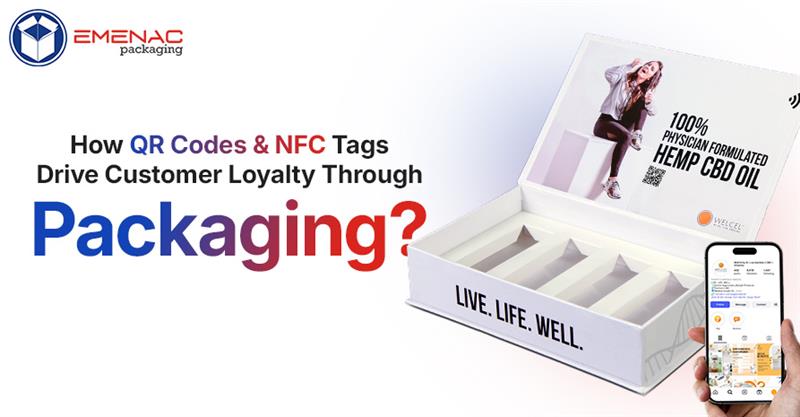 How QR Codes and NFC Tags Drive Customer Loyalty Through Packaging?